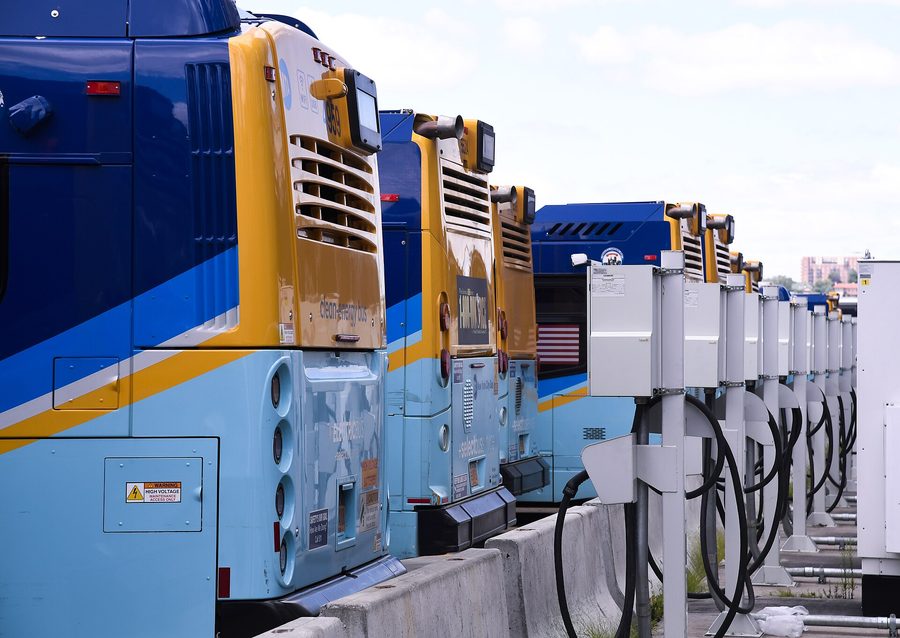
Cleaner mobility
The challenge: transport runs largely on oil and is a major source of emissions.
Lithium-ion batteries are light and energy-dense enough to give electric cars, buses, bikes, and trucks a practical driving range.
CRITICAL MATERIALS · CLEARER BY DESIGN
A practical starting point for understanding lithium compounds, battery supply chains, and the questions buyers should ask before sourcing.

A lithium-rich brine landscape, seen from orbit. NASA Earth Observatory · Landsat 8 ↗
the IEA outlook horizon for a fivefold demand-growth scenario. Not a certainty or a company forecast.2
Battery chemistry, material efficiency, recycling, and responsible production all matter.
01 / WHAT LITHIUM MAKES POSSIBLE
Lithium stores a lot of energy in very little weight. That single property helps solve some of the hardest problems in the energy transition, from cleaner transport to a grid that runs on sunshine and wind.
The challenge: transport runs largely on oil and is a major source of emissions.
Lithium-ion batteries are light and energy-dense enough to give electric cars, buses, bikes, and trucks a practical driving range.

The challenge: the sun sets and the wind drops, but demand does not.
Battery storage captures surplus solar and wind power and releases it when it is needed, helping keep the grid stable and reliable.
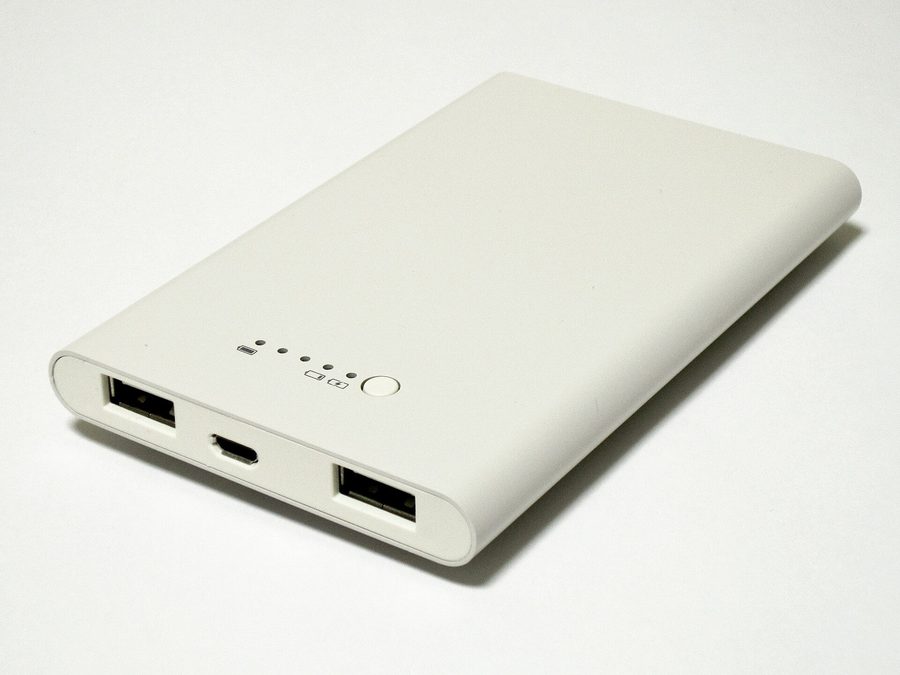
The challenge: modern life depends on devices that work away from the plug.
Phones, laptops, power tools, and many medical devices rely on rechargeable lithium batteries for long, dependable runtime.
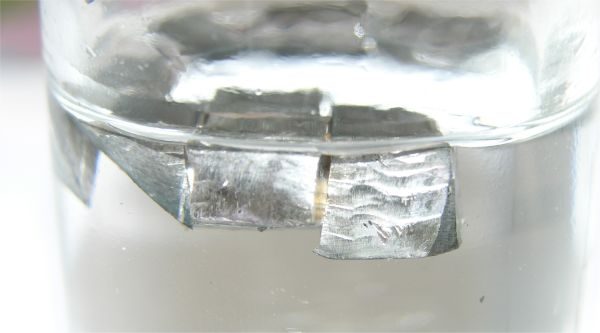
The challenge: heavy batteries limit range, payload, and design.
Lithium’s low weight and high voltage make lithium-based cells some of the most energy-dense rechargeable batteries in wide use today.
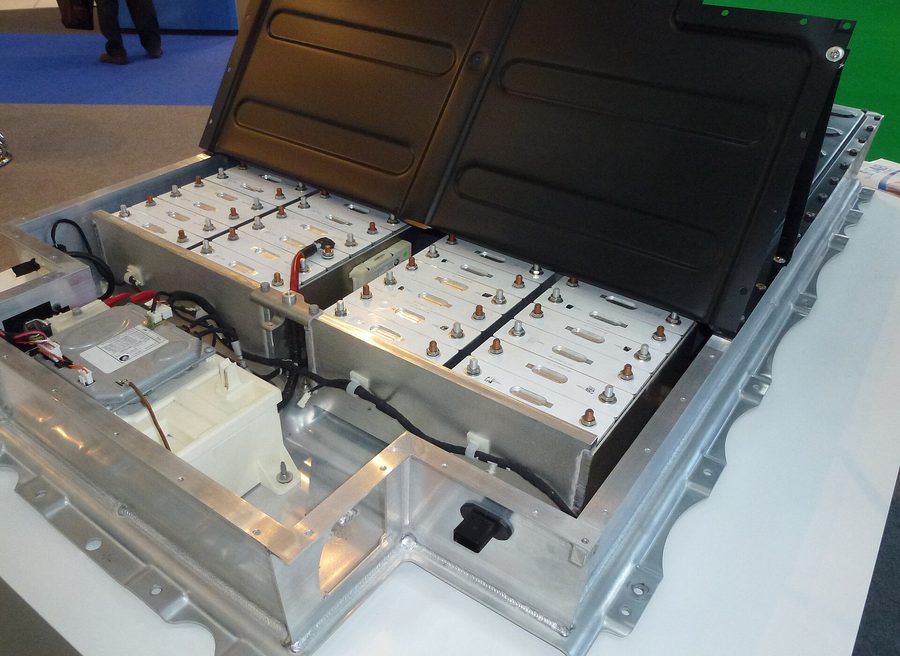
The challenge: new supply takes years to develop and has local impacts.
Lithium can be recovered from used batteries and manufacturing scrap, returning it to the supply chain and reducing the need for new extraction.

The challenge: many industries need materials that resist heat, wear, and weight.
Lithium is also used in heat-resistant glass and ceramics, high-performance greases, lightweight aerospace alloys, and medicine.
Benefits depend on how lithium is produced, used, and recovered. See what responsible supply involves ↓
02 / MATERIALS, DECODED
Lithium becomes useful through processing. The form, purity, and specification determine where it fits in the chain. These cards introduce common market materials; they do not confirm Powered Lithium inventory or supply.
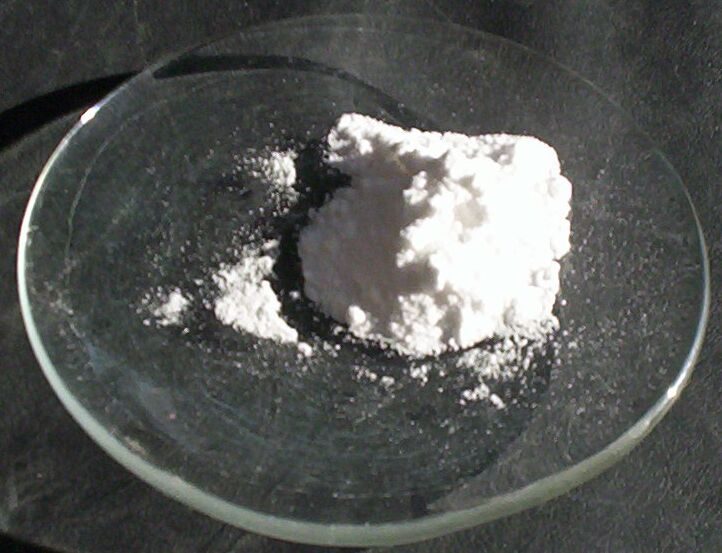
Used across battery materials and industrial applications. The target grade and impurity profile depend on the process.
BUYER CHECK · PURITY + IMPURITY PANELDOE supply-chain map ↗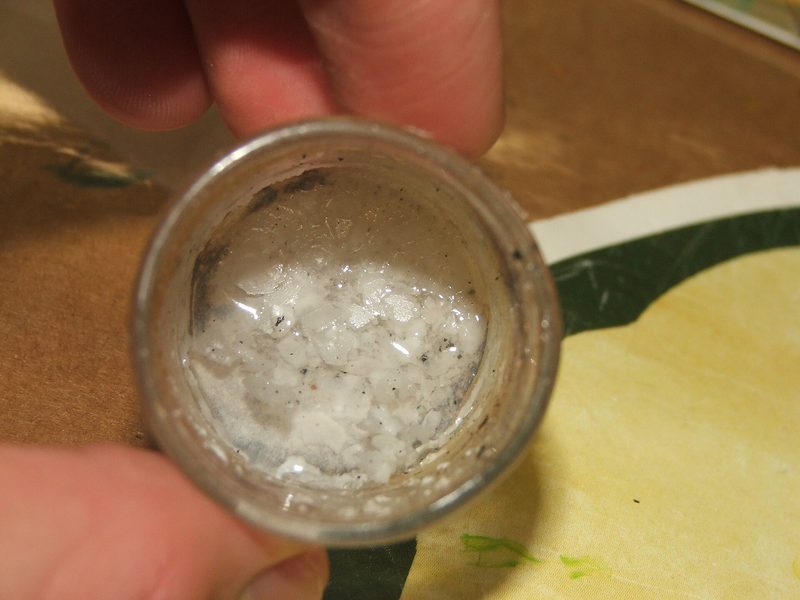
A refined lithium input used in battery supply chains, including some nickel-rich cathode pathways.
BUYER CHECK · FORM + TEST METHODDOE supply-chain map ↗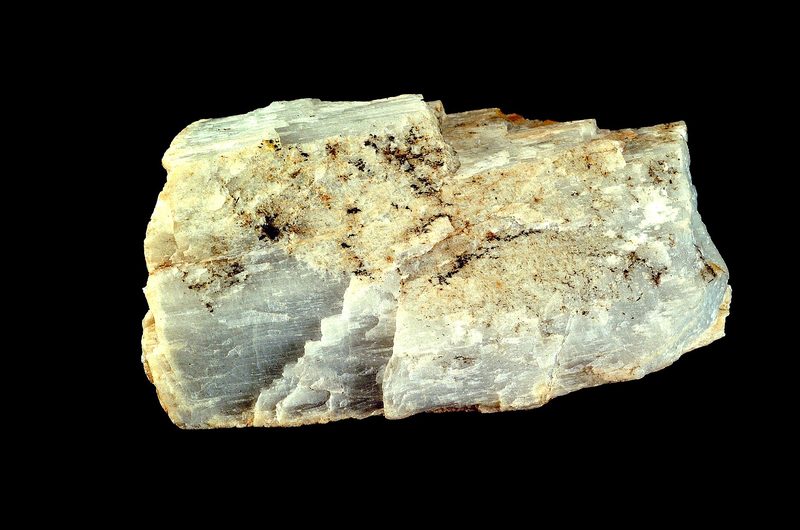
A hard-rock mineral concentrate processed into refined lithium compounds. Composition varies by deposit and processing.
BUYER CHECK · ASSAY + MOISTURERead USGS overview ↗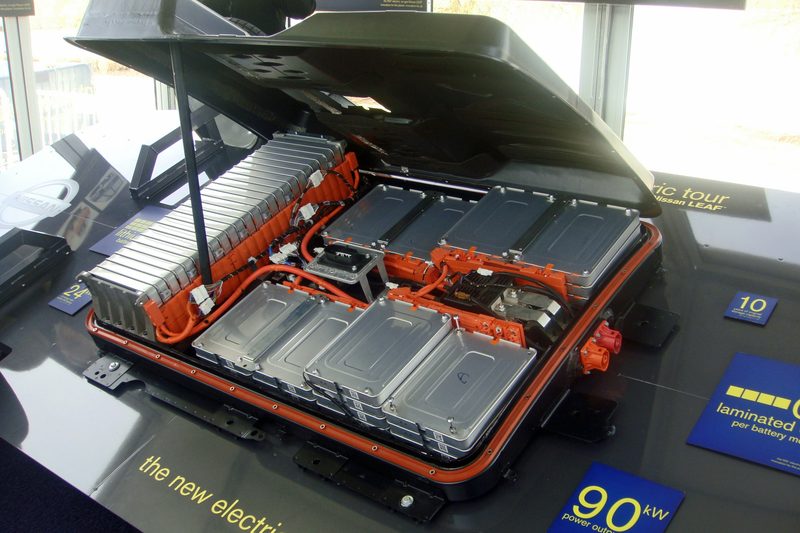
Recycling can return battery materials to supply. Feedstock, collection, process, and economics shape recovery.
BUYER CHECK · ORIGIN + RECOVERY ROUTERead IEA analysis ↗| Attribute | Li₂CO₃Lithium carbonate | LiOH·H₂OLithium hydroxide | LiAlSi₂O₆Spodumene concentrate | ↻ LiRecovered materials |
|---|---|---|---|---|
| Position in chain | Refined compound | Refined compound | Mineral feedstock for conversion | Secondary supply (e.g. black mass or recycled compounds) |
| Typical physical form | White powder | White crystalline powder, commonly the monohydrate | Mineral concentrate, often quoted by Li₂O content | Varies widely by process and stage |
| Where it often fits | Cathode materials such as LFP; glass, ceramics, industrial uses | Nickel-rich cathode pathways; greases and industrial uses | Converted into carbonate or hydroxide | Feeds refining back into battery materials |
| Ask about | Purity basis, impurity panel, particle size, moisture | LiOH content, carbonate pick-up, impurities, moisture-tight packaging | Li₂O grade, iron content, moisture, deleterious minerals | Feedstock origin, chemistry mix, recovery route, transport classification |
| Documents to request | CoA, SDS, origin | CoA, SDS, origin | Assay certificate, moisture report, origin | Composition analysis, SDS, waste / transport paperwork, chain of custody |
General orientation only. Specifications vary by supplier, process, and application, so always compare the actual specification sheet and test method.
03 / FROM SOURCE TO USE
Lithium’s value is created across a connected chain of extraction, refining, component manufacturing, and recovery.
Hard-rock ores, salar brines, geothermal brines, and other lithium-bearing resources.
GEOLOGYSeparate lithium and convert it into compounds that meet the needs of downstream processes.
PROCESSINGBattery materials become cells and systems for mobility, storage, electronics, and tools.
APPLICATIONRepair, second-life use, and recycling can keep materials in circulation when systems reach end of life.
CIRCULARITY04 / LITHIUM IN THE REAL WORLD
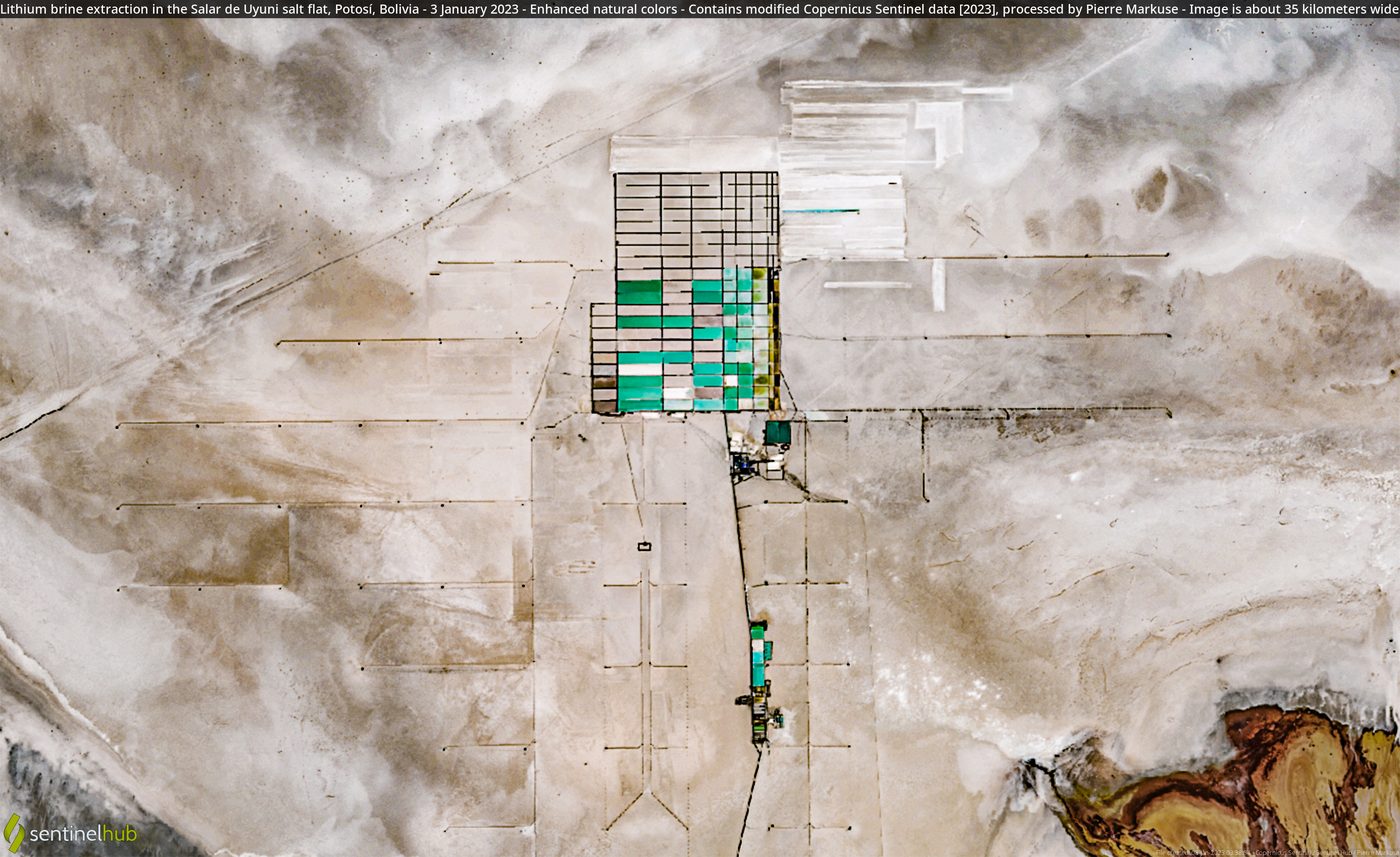
Six places where lithium’s journey becomes visible. Select any photo to see it larger and learn what it shows.
Photographers and licenses are listed under Image credits.
05 / PROGRESS WITH OPEN EYES
Lithium is essential to many energy technologies. Producing it responsibly means asking hard questions at every stage, not relying on a single “clean” label.
Brine basins and mines operate in different hydrological settings. Assess local water balances, monitor impacts, and publish site-specific evidence. DLE is not a universal guarantee of lower water use.
Extraction routes differ in heat, electricity, reagents, waste, and conversion steps. Compare full process data and the energy source rather than making broad claims.
Design for durability, repair, collection, and recovery. Recycling can strengthen supply, but needs safe collection and viable recovery pathways.
Responsible sourcing includes workers, local communities, transparent origins, and credible due diligence, not only a product specification.
06 / MATCH THE MATERIAL TO THE NEED
Different chemistries balance cost, energy density, temperature behavior, materials, and use case. Better decisions start with the job the battery has to do.
A lithium-ion chemistry with distinct cost, safety, and energy-density characteristics. Widely used in electric vehicles and stationary storage.
A family of lithium-ion cathode chemistries that balances energy density, performance, material cost, and supply considerations.
An emerging alternative for some applications. It avoids lithium, but current trade-offs include lower energy density and a less mature supply chain.
Chemistry descriptions are high-level and application-dependent. Read the IEA comparison ↗
07 / A BETTER BUYER BRIEF
Fill in what you know. We turn it into a clean request-for-quotation brief you can copy or download, so supplier offers are easier to compare. Nothing is sent anywhere; your draft stays in this browser.
08 / COMMON QUESTIONS
Short, general explanations. For anything that affects a purchase, rely on the supplier’s specification and your own technical review.
It depends on the downstream process. Lithium carbonate is common in LFP cathode production, while lithium hydroxide is often preferred for nickel-rich cathode pathways. Your cathode producer’s process requirements should decide.
Generally higher purity and tighter impurity limits suited to battery materials. However, grade names are not used identically by every supplier. Compare the actual purity basis, impurity limits, and test methods rather than the label.
A group of technologies that selectively recover lithium from brines, rather than relying mainly on large evaporation ponds. Water, energy, and reagent impacts are site- and process-specific, so they still need evidence.
A CoA reports measured results for a specific lot. It lets you check delivered material against your specification, provided the test methods and basis (for example, dry basis) are stated.
This site is a research and buyer-education resource. Product availability, grades, specifications, and sourcing capabilities require confirmation from the company.
09 / RESEARCH NOTES
Numbers change. We show where the information comes from, when it was published, and what it can and cannot tell us.
Images were resized and compressed for the web. No other changes were made.
Start with a clear brief. It takes about five minutes.